
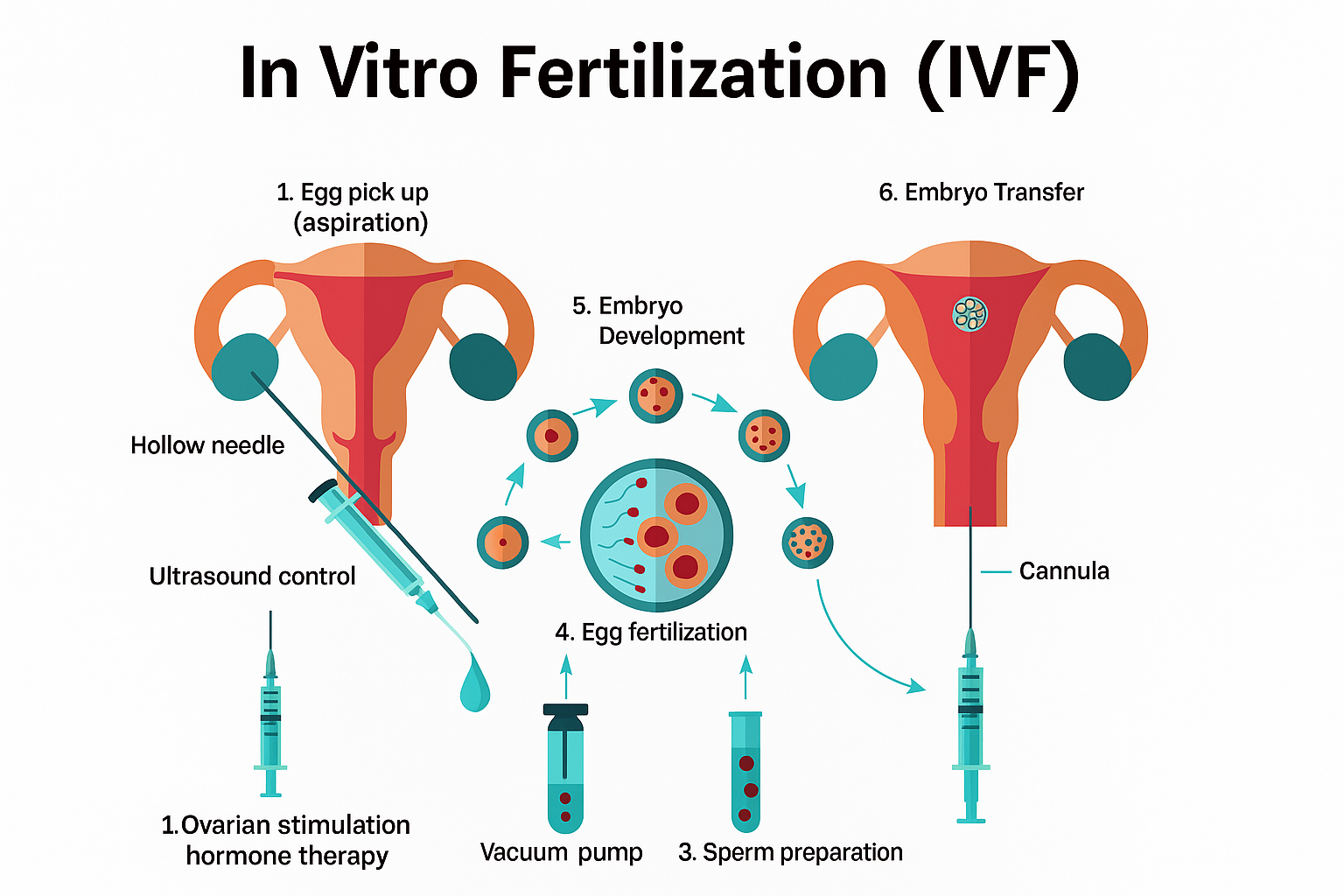
As you embark on your journey with IVF (in vitro fertilization), you may feel overwhelmed, especially if it’s your first time. If you are planning to start IVF treatment in India, asking the right questions can help you make informed decisions, set realistic expectations, and be prepared emotionally as well as financially.
As a premier fertility hospital in Ahmedabad, Reshambai Hospital understands the concerns of couples and offers clarity, compassion, and care that can be trusted.
Here are the top 10 questions you need to ask before starting IVF in 2025:
- What is the success rate of IVF at your clinic?
Success rates vary depending on age, health, and medical history. Ask for success rates based on your age group and previous fertility history. At Reshambai Hospital, our IVF specialists offer transparent data and customized advice to help you understand your chances.
- Which IVF protocol is suitable for me?
IVF treatment in India includes various protocols: natural cycle, stimulated cycle, ICSI, etc. Your fertility expert should explain which approach best fits your situation based on hormone levels, ovarian reserve, and other diagnostic tests.
- What tests will I need before beginning IVF?
Before starting IVF treatment in Ahmedabad, you’ll likely undergo tests like hormone panels, semen analysis, ultrasounds, and AMH levels. These help determine the root cause of infertility and shape your personalized plan.
- How many IVF cycles should I prepare for?
Many couples succeed within one or two cycles, but it’s not guaranteed. Your doctor should help you set expectations and discuss financial planning, especially if multiple cycles may be needed.
- What are the possible side effects or risks of IVF?
From mild bloating to ovarian hyperstimulation syndrome (OHSS), IVF does have side effects. Knowing these upfront helps you plan your schedule and support system. Our team at Reshambai Hospital ensures close monitoring throughout your cycle for safety and comfort.
- How much does IVF cost in Ahmedabad?
Cost is an important factor for many couples considering IVF treatment in India. Be sure to ask about what’s included consultations, scans, medications, lab fees, embryo transfer, etc. We provide cost transparency with no hidden charges.
- Will I need to take time off work during IVF?
While IVF doesn’t require hospitalization, you may need 2–3 days off during egg retrieval and embryo transfer. We advise patients to plan flexibly and prioritize rest during crucial days.
- What lifestyle changes can improve IVF success?
Ask about changes in diet, exercise, supplements, sleep, and stress management. At Reshambai Hospital, we guide patients with holistic support, including nutrition and mental health counseling, to boost IVF outcomes naturally.
- What happens to extra embryos?
If you have more viable embryos than needed in a cycle, they can be frozen for future use. Discuss storage duration, costs, and the success rate of frozen embryo transfer (FET).
- What emotional support is available during treatment?
IVF can be emotionally draining. A good fertility clinic will offer access to counseling, support groups, or mind-body wellness sessions. We believe in complete care physical and emotional for every couple who walks into our doors.
Why Reshambai Hospital is Trusted for IVF Treatment in Ahmedabad
Located in the heart of the city, Reshambai Hospital is recognized as a leading fertility center in Ahmedabad, offering advanced IVF technology, high success rates, and compassionate care. If you’re looking for the best fertility hospital in Ahmedabad, you’ll find not just doctors here but partners in your parenthood journey.
Final Thoughts
IVF treatment in India has evolved rapidly, with 2025 bringing more options and higher success rates. However, the most important part of this journey is being informed. By asking the right questions and choosing the right fertility team, you’re already halfway there.